
Overview
Today, handmade pearl jewellery is witnessing massive popularity because customers are looking for unique, handcrafted, and artistic designs. This has increased the demand for skilled jewellery makers who understand professional weaving techniques for it.
They have remained one of the most admired gemstones in the world of fashion and jewellery for centuries. Their timeless beauty, elegance, and versatility make them a favourite choice for jewellery designers, brides, and fashion enthusiasts alike. From traditional heirloom pieces to modern designer accessories, they continue to dominate global jewellery trends.
Whether you are a beginner learning jewellery crafting or an experienced artisan wanting to improve your creations, mastering pearl weaving techniques can help you create premium-quality jewellery pieces that stand out in the market.
In this detailed guide, we will explore the top 5 pearl weaving techniques, understand their types, discuss modern pearls colours, highlight customer pain points, and share expert-level jewellery crafting tips to help you build professional and durable jewellery. Learn about various jewellery making tools.
Why Pearls Continue To Rule The Jewellery Industry
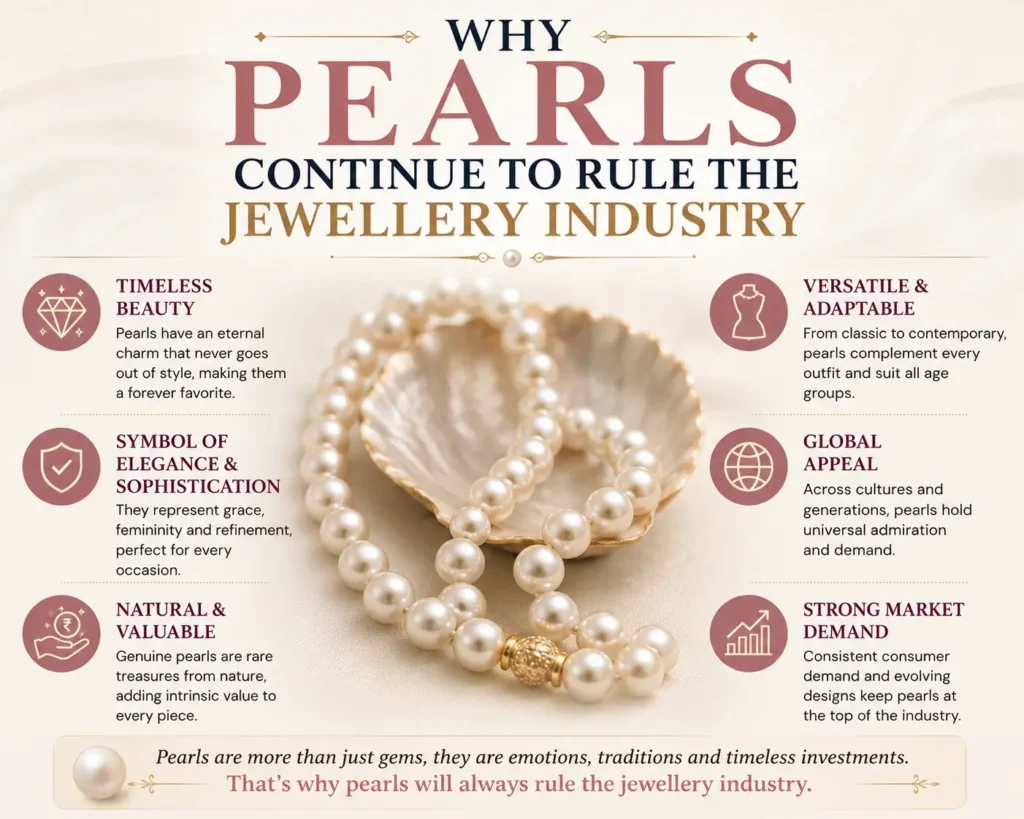
The popularity of pearls jewellery never fades because they perfectly blend sophistication with modern fashion trends. Unlike many gemstones that go in and out of trend, they remain evergreen.
Today’s consumers love them because they:
- Match both western and ethnic outfits
- Look elegant for all age groups
- Offer timeless beauty
- Are available in various colours and sizes
- Can be styled for casual and bridal fashion
From delicate pearls earrings to luxurious bridal necklaces, they can instantly elevate any jewellery design.
Understanding Different Types Of Pearls
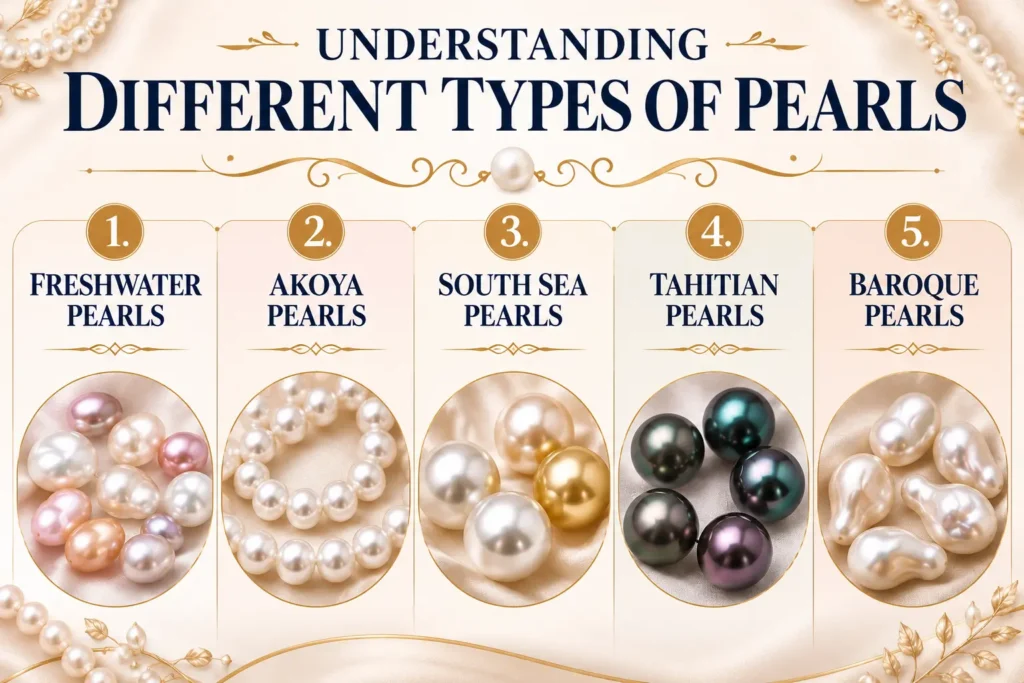
Before choosing a weaving technique, understanding pearl varieties is extremely important.
1. Freshwater Pearls
They are affordable and widely available. They come in various shapes and colours.
Best For:
- Beginner jewellery making
- Fashion jewellery
- Budget-friendly collections
2.Akoya Pearls
They are known for their perfectly round shape and brilliant shine.
Best For:
- Luxury necklaces
- Bridal jewellery
- Elegant earrings
3.South Sea Pearls
They are among the most luxurious pearls in the world.
Features:
- Large size
- Satin-like glow
- Premium appearance
4.Tahitian Pearls
These are famous for their exotic dark shades.
Popular Colours:
- Black
- Grey
- Green overtones
- Peacock shades
5.Baroque Pearls
They have irregular shapes and artistic appeal.
Best For:
- Contemporary jewellery
- Creative handmade designs
- Bohemian fashion accessories
Trending Pearls Colours in Modern Jewellery
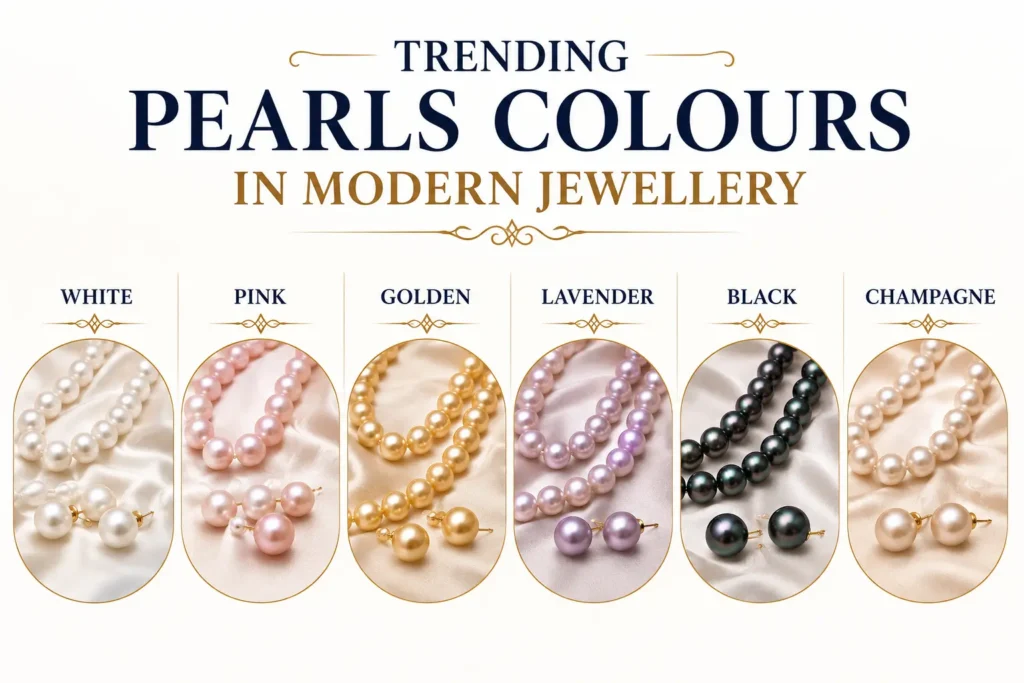
Today’s fashion market is moving beyond traditional white pearls.
White
Classic and timeless for bridal jewellery.
Pink
Popular for feminine and romantic designs.
Golden
Highly demanded in luxury jewellery collections.
Lavender
Perfect for contemporary pastel jewellery trends.
Black
Used in bold statement jewellery pieces.
Champagne
Trending in minimalist and modern jewellery.
Introduction To Pearl Weaving Technique
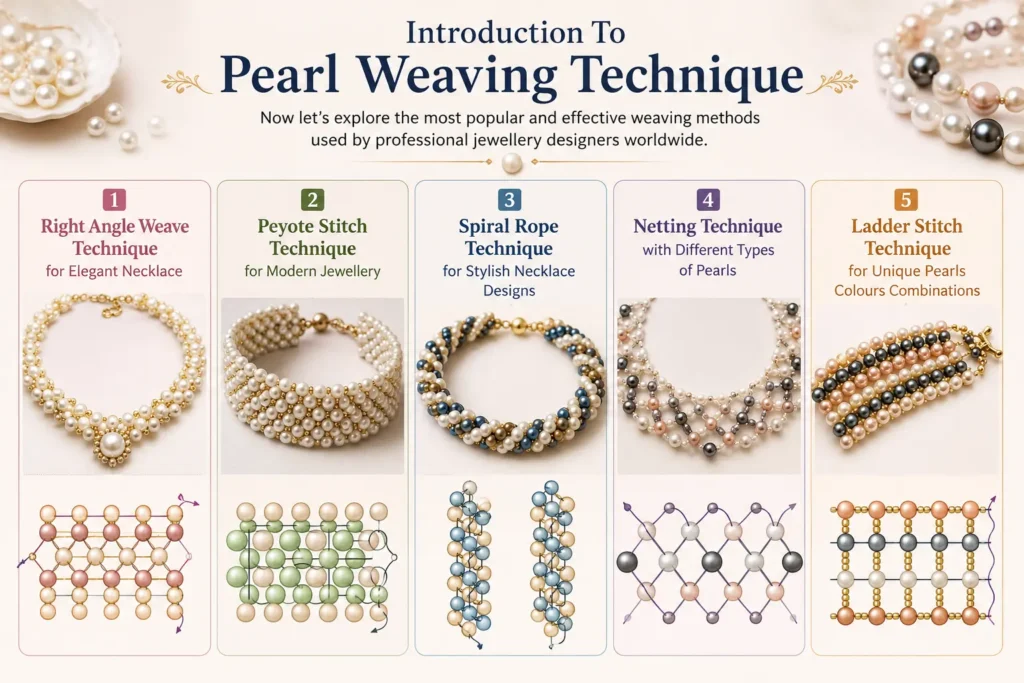
Now let’s explore the most popular and effective weaving methods used by professional jewellery designers worldwide.
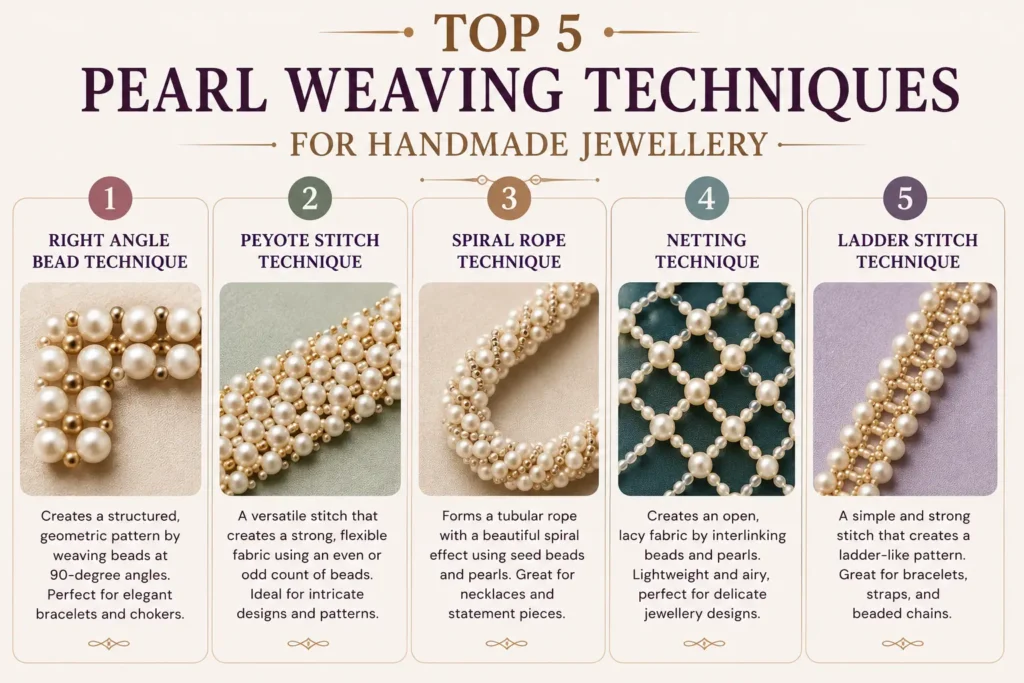
1. Right Angle Weave Technique for Elegant Necklace
The Right Angle Weave (RAW) is one of the most widely used techniques for creating luxurious necklace designs. This method forms a structured geometric pattern that keeps them securely aligned.
Why Right Angle Weave is Popular
This technique creates:
- Flexible jewellery structures
- Strong alignment
- Premium professional finish
- Beautiful symmetrical patterns
RAW is especially useful for bridal jewellery because it provides volume and richness without compromising flexibility.
Best Jewellery Pieces Made Using RAW
- Bridal chokers
- Statement necklaces
- Layered necklaces
- Bracelets
- Anklets
Advantages of Right Angle Weave
1.Durable Structure
The weaving pattern distributes tension evenly, making jewellery long-lasting.
2.Elegant Finish
RAW creates luxurious patterns ideal for premium jewellery collections.
3.Versatile Designs
It allows designers to mix pearls with crystals, stones, and beads.
4.Suitable for All Skill Levels
Beginners can learn it easily while experts can create complex designs.
Expert Tip
Use round freshwater pearls for beginners because they are easier to align uniformly.
2. Peyote Stitch Technique for Modern Jewellery
The Peyote Stitch is a modern weaving technique commonly used in designer jewellery collections. This method arranges them in staggered rows, creating a smooth and elegant texture. Watch a short tutorial of this weaving.
Why Jewellery Designers Love Peyote Stitch
Peyote Stitch offers:
- Lightweight jewellery designs
- Intricate detailing
- Seamless appearance
- Excellent flexibility
It is especially useful for minimalist jewellery trends that are highly popular today.
Ideal Jewellery Designs for Peyote Stitch
- Earrings
- Bracelets
- Pendants
- Rings
- Contemporary chokers
Common Mistakes Beginners Make
1.Pulling the Thread Too Tight
Over-tightening distorts the their arrangement.
2.Using Uneven Sizes
Different sizes can disrupt the pattern.
3.Ignoring Needle Quality
Poor-quality needles make weaving difficult.
Tip for Better Results
Professional jewellery makers recommend using Japanese seed beads with them for highly refined patterns.
3. Spiral Rope Technique for Stylish Necklace Designs
The Spiral Rope technique creates twisted rope-like jewellery patterns that look rich and luxurious. It is widely used for premium necklace collections.
This technique combines them with seed beads to create a spiral texture.
Why Spiral Rope Jewellery Looks Expensive
The twisted weaving style adds:
- Visual depth
- Rich texture
- Elegant volume
- High-fashion appeal
Even simple combinations appear luxurious when crafted using this method.
Best Jewellery Designs Using Spiral Rope
- Bridal necklaces
- Multi-layer sets
- Fusion jewellery
- Party-wear necklaces
- Contemporary fashion jewellery
Benefits of Spiral Rope Technique
1.Lightweight Yet Voluminous
The design appears heavy while remaining comfortable to wear.
2.Flexible Pattern Variations
Jewellery makers can experiment with different sizes and colours.
3.Beginner-Friendly
Once basic weaving is learned, the technique becomes easy to master.
Pro Tip
Use contrasting bead colours between them to highlight the spiral effect more prominently.
4. Netting Technique with Different Types of Pearls
The Netting Technique is one of the easiest and fastest weaving methods used in this jewellery making. It creates delicate net-like patterns that look artistic and elegant.
This technique works beautifully with its different types.
Why Netting Technique is Ideal
The Netting Technique:
- Uses less thread tension
- Creates lightweight jewellery
- Offers faster production
- Looks intricate and artistic
Popular Jewellery Pieces Made with Netting
- Layered necklaces
- Pearl collars
- Bracelets
- Fashion handbags
- Decorative accessories
5. Ladder Stitch Technique for Unique Pearls Colours Combinations
The Ladder Stitch is perfect for showcasing beautiful colours in a neat and structured way.
This technique arranges pearls side by side, resembling ladder steps.
Why Ladder Stitch Works Beautifully
The technique:
- Highlights colours individually
- Creates organised patterns
- Gives modern geometric appeal
- Works well for bold jewellery designs
Best Jewellery Pieces Using Ladder Stitch
- Earrings
- Contemporary chokers
- Statement bracelets
- Fashion necklaces
Struggles Faced While Making Pearl Jewellery
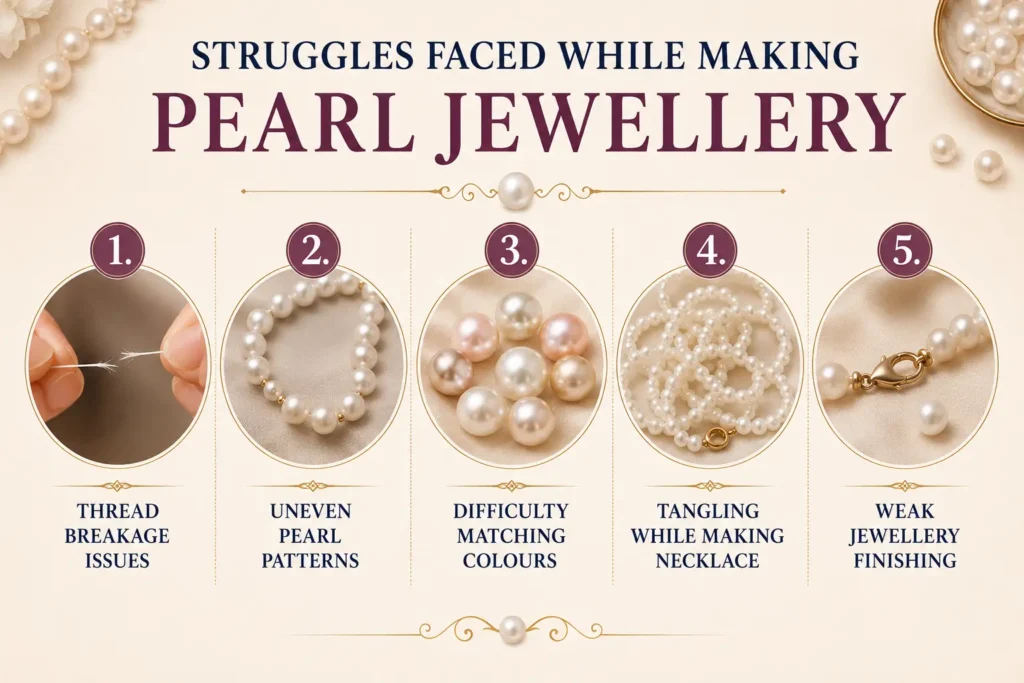
Many beginners struggle while learning this weaving because working with them requires patience, precision, and technique. Understanding these struggles helps jewellery makers improve their skills faster.
1. Thread Breakage Issues
One of the biggest challenges in this weaving is using low-quality thread that snaps during crafting or regular use.
Solution:
Use strong nylon thread, FireLine, or silk thread for durability.
2. Uneven Pearl Patterns
Improper weaving tension often causes them to sit unevenly in jewellery.
Solution:
Maintain consistent thread tension while weaving.
3. Difficulty Matching Colours
Many jewellery makers struggle to combine multiple colours aesthetically.
Solution:
Use complementary colour palettes and metallic spacers to create balance.
4. Tangling While Making Necklace
Creating layered or heavy necklace designs can lead to thread tangling and poor finishing.
Solution:
Use bead organisers and shorter thread lengths while weaving.
5. Weak Jewellery Finishing
Improper knotting and clasps reduce the durability of handmade jewellery.
Solution:
Always double-knot thread endings and use premium-quality clasps.
Strategies To Create Premium Pearl Jewellery
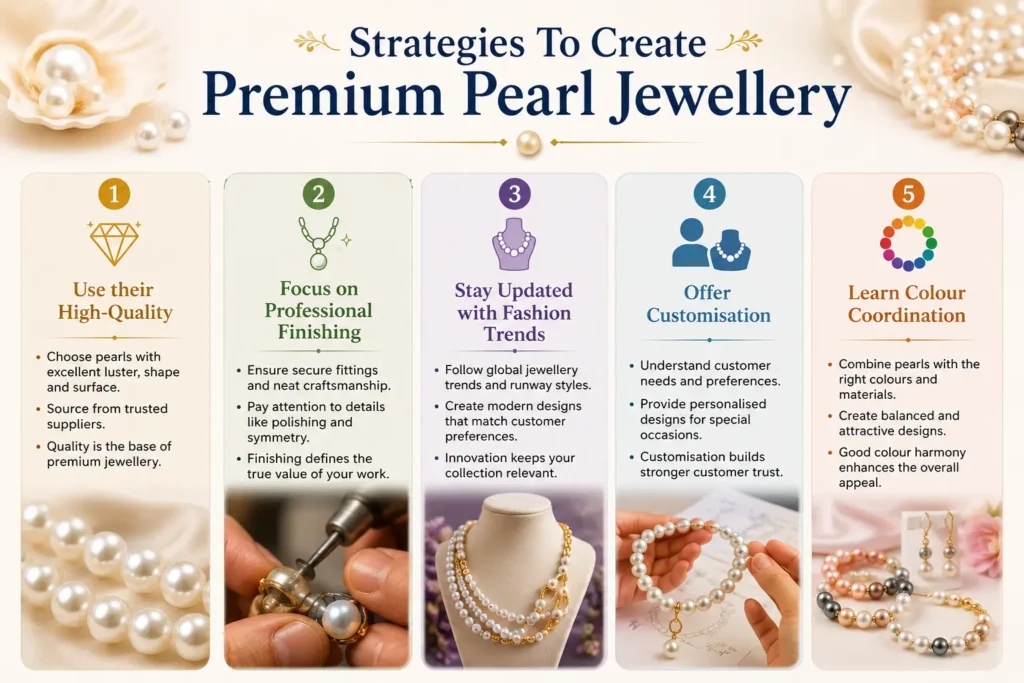
If you want your handmade jewellery to outperform competitors, follow these expert-level techniques.
1. Use their High-Quality
Low-quality reduce the beauty and durability of jewellery.
Always choose them with:
- Smooth surfaces
- Consistent shine
- Proper drilling
- Uniform colour tones
2. Focus on Professional Finishing
Customers judge jewellery quality through finishing details.
Always:
- Hide thread ends properly
- Secure knots carefully
- Use premium clasps
- Polish completed jewellery
3. Stay Updated with Fashion Trends
Modern customers prefer:
- Layered necklaces
- Minimal jewellery
- Mixed colours
- Contemporary fusion jewellery
4. Offer Customisation
Personalised jewellery significantly increases customer engagement and sales.
Popular customisations include:
- Name charms
- Birthstone combinations
- Colour customisation
- Bridal themes
5. Learn Colour Coordination
Proper colour combinations make jewellery look more luxurious.
Example:
Combine:
- White with silver spacers
- Golden with champagne crystals
- Black with gold accents
Guidelines To Maintain Pearl Jewellery Properly
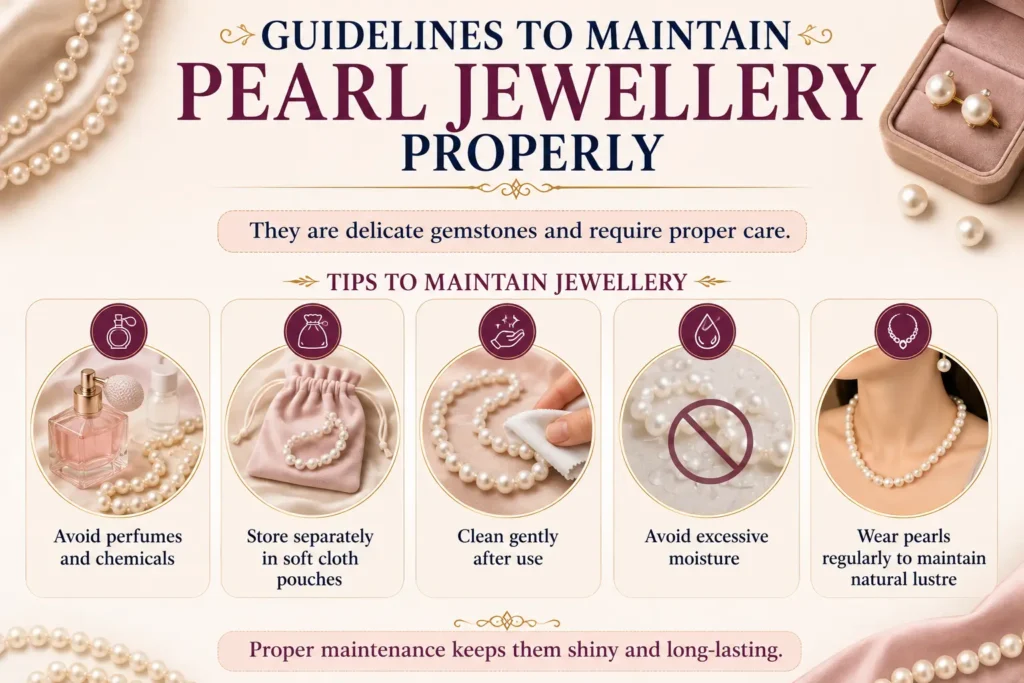
They are delicate gemstones and require proper care.
Tips to Maintain Jewellery
- Avoid perfumes and chemicals
- Store separately in soft cloth pouches
- Clean gently after use
- Avoid excessive moisture
- Wear pearls regularly to maintain natural lustre
Proper maintenance keeps them shiny and long-lasting.
FAQs
Q1.Which weaving technique is best for beginners?
The Netting Technique and Peyote Stitch are considered easiest for beginners because they are simple and flexible.
Q2.Which types are best for jewellery making?
Freshwater are ideal for beginners, while Akoya and South Sea are preferred for luxury jewellery.
Q3.What thread is best for weaving?
Nylon thread and FireLine thread are highly durable and commonly used for professional jewellery.
Q4.Which colours are trending today?
Golden, lavender, black, champagne, and pink are highly popular in modern jewellery designs.
Q5.Can weaving techniques be used for pearls earrings?
Yes. Techniques like Peyote Stitch and Ladder Stitch are perfect for creating stylish earrings.
Q6.How do I prevent jewellery from breaking?
Use high-quality thread, secure knots properly, and avoid excessive tension during weaving.
Q7.Are they suitable for everyday jewellery?
Yes. Minimal necklaces, bracelets, and earrings are widely used for daily fashion styling.