
Introduction To Navratan
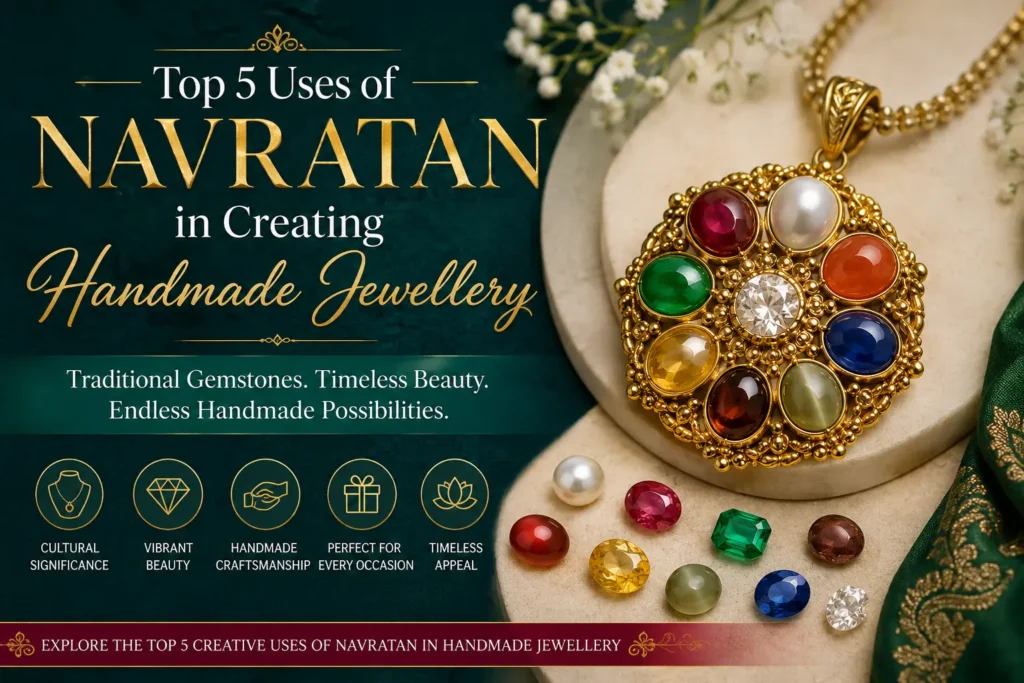
The beauty of navratan has fascinated jewellery lovers for centuries. Known for its vibrant combination of nine precious gemstones, this traditional concept beautifully blends culture, craftsmanship, and artistic excellence. Today, handmade jewellery designers are rediscovering the versatility of navratan to create unique accessories that appeal to both traditional and modern buyers.
Whether you’re a beginner learning jewellery making or an experienced artisan looking to expand your collection, understanding how to use navratan creatively can elevate your designs. From statement necklaces to elegant earrings, these colourful gemstones allow endless possibilities while adding symbolic value to every handcrafted piece.
Many jewellery makers struggle to create collections that stand out in an increasingly competitive market. Customers today want jewellery that tells a story rather than simply looking attractive. Incorporating navratan into handmade designs helps artisans offer meaningful creations that combine heritage with contemporary fashion. Know more about gemstones.
In this guide, we’ll explore the top five uses of navratan in handmade jewellery, practical design ideas, buying tips, common mistakes to avoid, and frequently asked questions to help you create stunning handcrafted jewellery. Learn more about navratna.
Understanding Navratan Before You Start Designing
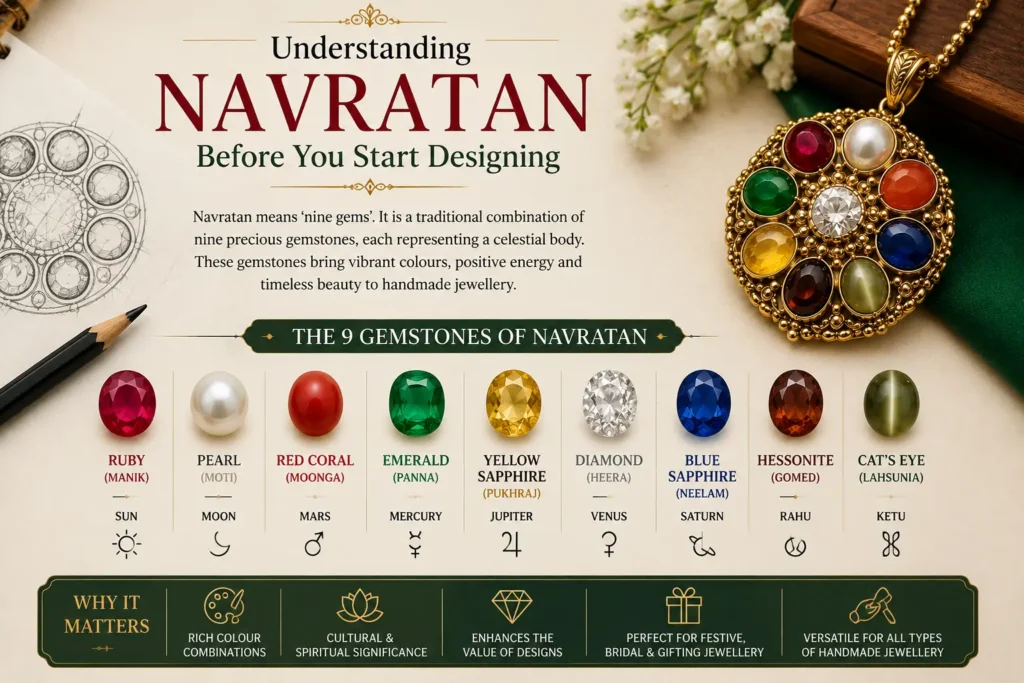
Navratan refers to a traditional arrangement of nine gemstones, each representing a celestial body according to ancient Indian beliefs. These gemstones typically include:
- Ruby
- Pearl
- Red Coral
- Emerald
- Yellow Sapphire
- Diamond
- Blue Sapphire
- Hessonite
- Cat’s Eye
Apart from their cultural significance, these colourful stones create visually balanced jewellery that appeals to customers across different age groups.
For jewellery makers, the biggest advantage is versatility. Each gemstone contributes a different colour, allowing attractive combinations without relying heavily on artificial embellishments.
Why Handmade Jewellery Designers Love Navratan
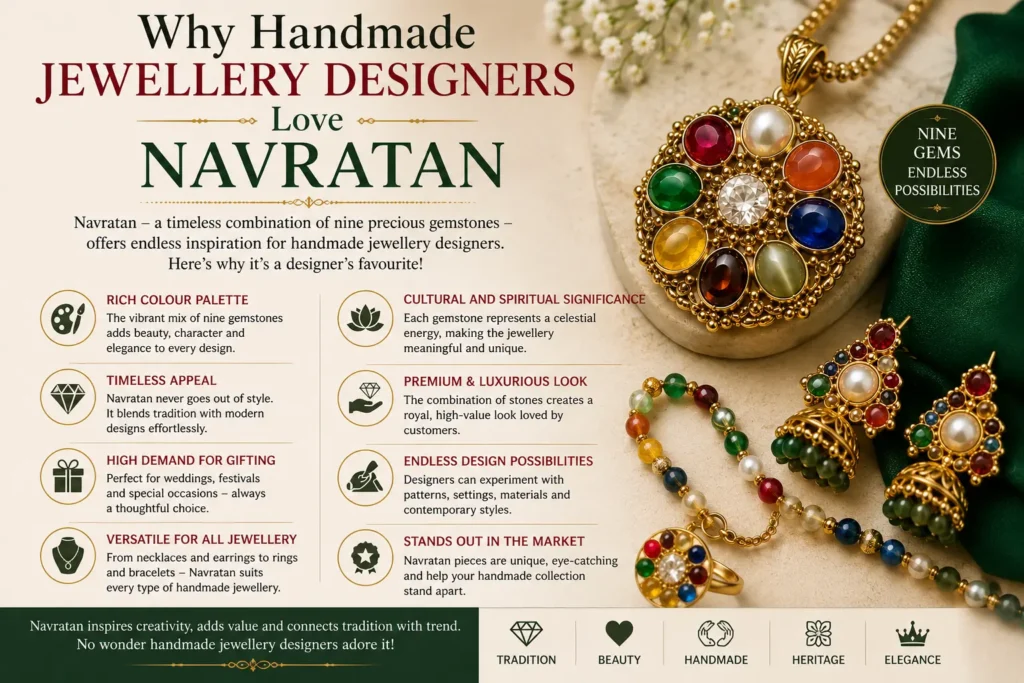
Handmade jewellery focuses on individuality, craftsmanship, and artistic expression. Since no two handcrafted pieces are exactly alike, adding navratan enhances both uniqueness and perceived value.
Some reasons artisans increasingly use these gemstones include:
- Rich colour combinations
- Traditional yet fashionable appearance
- Premium handcrafted appeal
- Strong gifting potential
- Suitable for festive and bridal collections
- High demand in ethnic fashion
Modern customers appreciate jewellery that reflects authenticity, making handcrafted navratan collections increasingly popular.
Top 5 Uses of Navratan in Handmade Jewellery
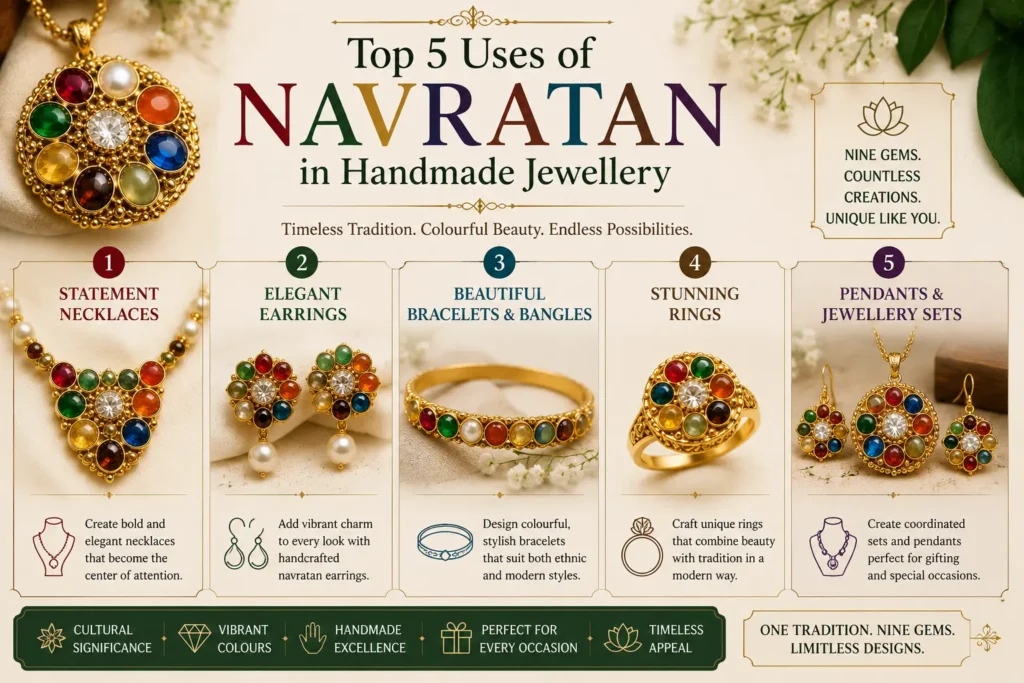
1. Creating Statement Necklaces
Statement necklaces remain one of the most popular ways to showcase navratan.
Designers often arrange the nine gemstones around a central pendant or distribute them symmetrically throughout the necklace. This creates visual harmony while maintaining traditional aesthetics.
Creative additions include:
- Pearl strings
- Antique metal findings
- Kundan settings
- Handmade beadwork
- Oxidised silver elements
These necklaces work beautifully for weddings, festive occasions, and luxury fashion collections.
2. Designing Elegant Earrings
Earrings are among the easiest handmade jewellery products to introduce into any collection.
Small navratan arrangements can transform ordinary earrings into premium handcrafted accessories.
Popular styles include:
- Chandbalis
- Jhumkas
- Stud earrings
- Drop earrings
- Hoop earrings
Using lightweight settings allows designers to maintain comfort without compromising appearance.
This makes handcrafted earrings suitable for both traditional outfits and Indo-western fashion.
3. Crafting Unique Bracelets and Bangles
Bracelets offer another creative opportunity for artisans.
Instead of placing all nine gemstones together, many designers distribute them evenly around the bracelet, creating colourful yet sophisticated accessories.
Popular handcrafted options include:
- Charm bracelets
- Thread bracelets
- Beaded bracelets
- Adjustable cuffs
- Wire-wrapped bangles
These products appeal to younger buyers looking for wearable everyday jewellery with cultural significance.
4. Making Designer Rings
Handmade rings featuring navratan continue to attract customers seeking meaningful accessories.
Jewellery artists often experiment with:
- Floral arrangements
- Circular gemstone settings
- Adjustable handmade rings
- Vintage-inspired designs
- Minimalist geometric patterns
Since rings require fewer materials than necklaces, they provide an excellent starting point for beginners learning gemstone jewellery making.
5. Creating Pendants and Custom Jewellery Sets
Custom jewellery remains one of the fastest-growing segments in handmade fashion accessories.
Navratan pendants allow artisans to create personalised collections featuring:
- Matching earrings
- Bracelets
- Necklaces
- Anklets
- Brooches
Customers increasingly prefer coordinated handmade jewellery sets for weddings, festivals, and gifting occasions.
Offering customised colour combinations, handcrafted packaging, and personalised engraving further increases product value.
Common Challenges Jewellery Makers Face When Working with Navratan
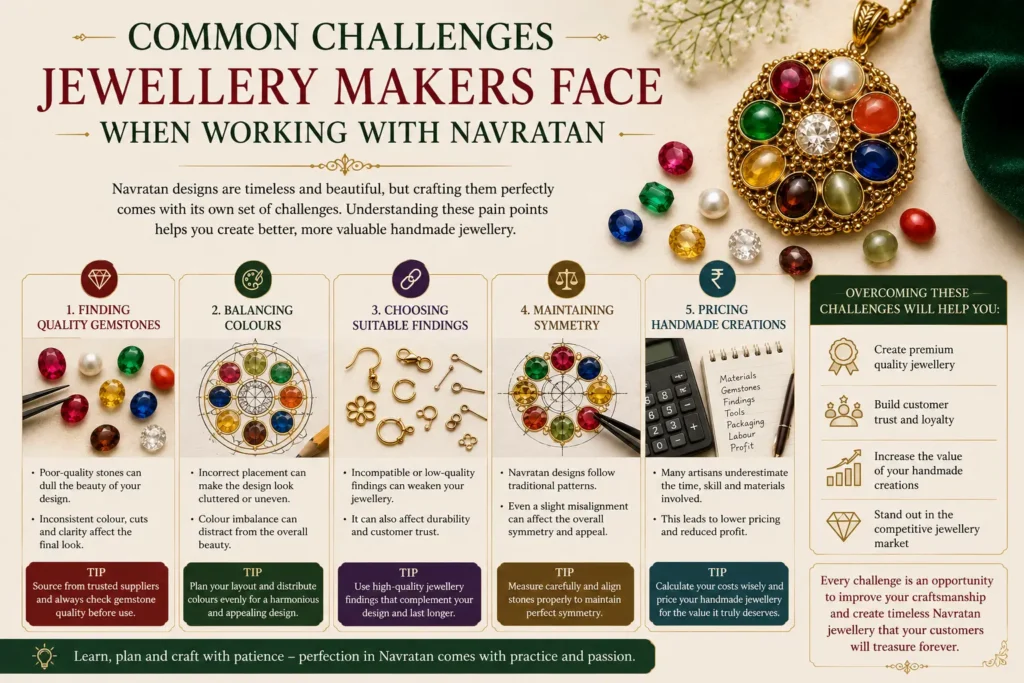
Many beginners become excited about gemstone jewellery but quickly encounter several practical challenges.
Some common challenges include:
Finding quality gemstones
Poor-quality stones reduce the overall appearance of handcrafted jewellery.
Balancing colours
Incorrect placement of gemstones can make designs appear cluttered rather than elegant.
Choosing suitable findings
Selecting incompatible jewellery findings often weakens the finished product.
Maintaining symmetry
Since traditional arrangements follow specific patterns, improper placement affects the overall aesthetic.
Pricing handmade creations
Many artisans underestimate the craftsmanship involved, leading to lower profit margins.
Understanding these challenges helps jewellery makers produce professional-quality collections that customers trust.
Tips for Creating Premium Handmade Navratan Jewellery
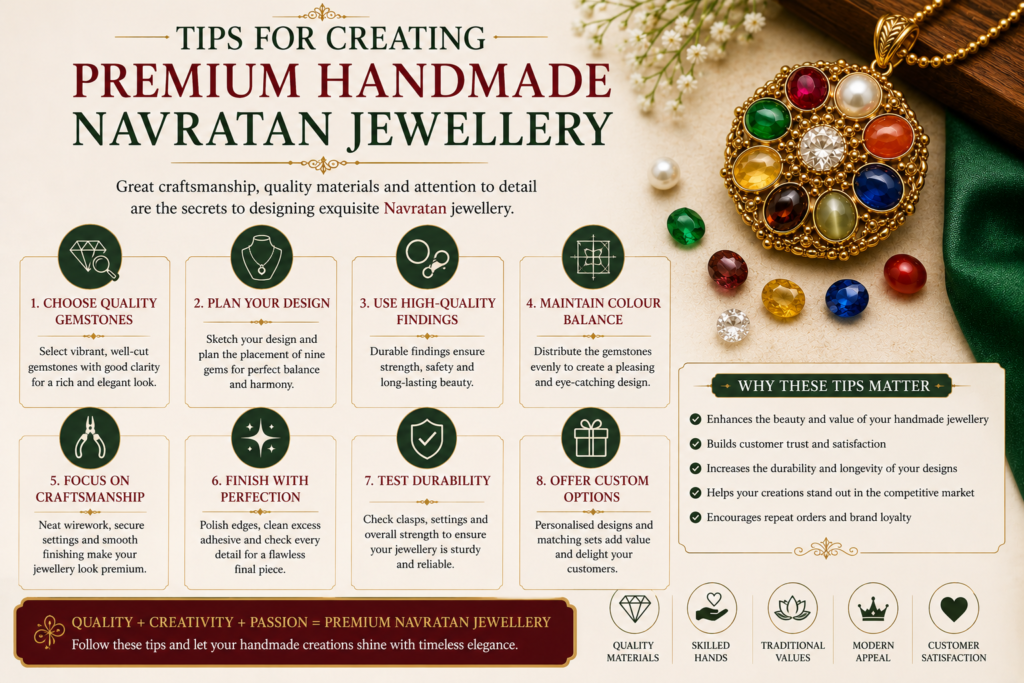
If you want your handmade designs to stand out, follow these expert recommendations:
- Source gemstones from reliable suppliers.
- Use durable jewellery findings for better longevity.
- Sketch your designs before assembling.
- Mix traditional craftsmanship with modern styling.
- Maintain consistent gemstone spacing.
- Test product durability before selling.
- Invest in quality finishing tools.
- Offer customised handmade options.
Attention to these small details significantly improves customer satisfaction.
Mistakes to Avoid While Designing with Navratan
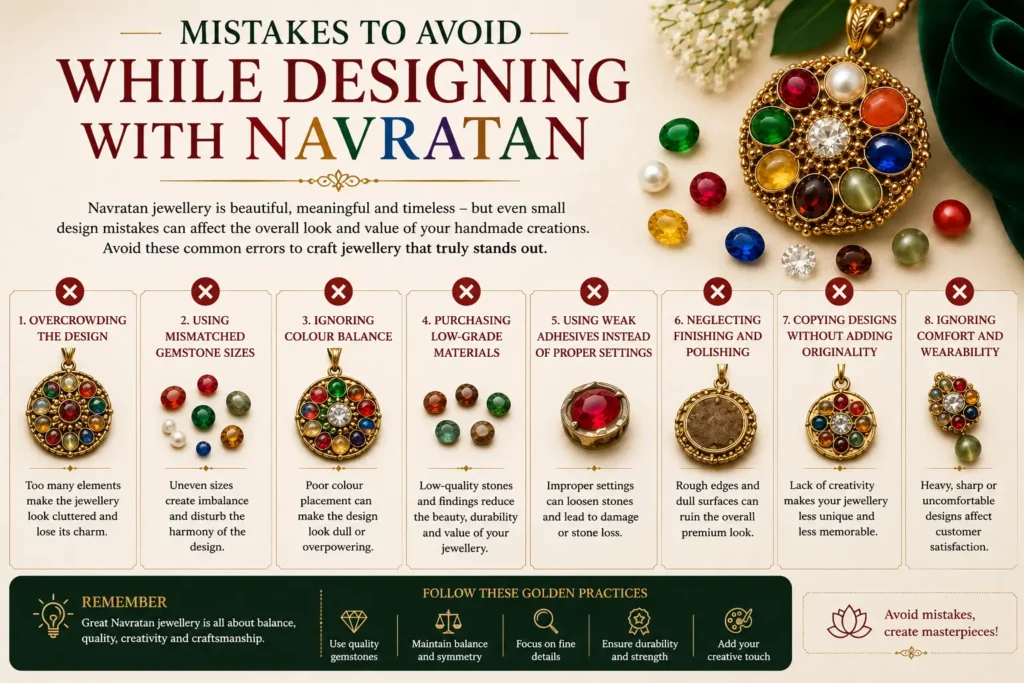
Even experienced artisans occasionally make errors that affect the final product.
Avoid these common mistakes:
- Overcrowding designs with excessive decorative elements
- Using mismatched gemstone sizes
- Ignoring colour balance
- Purchasing low-grade materials
- Using weak adhesives instead of proper settings
- Neglecting finishing and polishing
- Copying existing designs without adding originality
Remember, handcrafted jewellery succeeds because of creativity, not complexity.
Future Trends in Handmade Navratan Jewellery
Consumer preferences continue evolving, creating exciting opportunities for jewellery makers.
Emerging trends include:
- Sustainable handcrafted jewellery
- Minimalist gemstone designs
- Mixed-metal settings
- Contemporary ethnic fusion collections
- Personalised jewellery sets
- Handmade gifting collections
- Artisan storytelling through jewellery
- Limited-edition handcrafted pieces
Designers who combine traditional gemstone arrangements with modern aesthetics are likely to attract a broader audience.
Conclusion
The growing popularity of handcrafted accessories has created exciting opportunities for jewellery makers who want to offer meaningful, visually appealing designs. Incorporating navratan into handmade jewellery allows artisans to blend timeless tradition with modern creativity while appealing to customers seeking unique and culturally inspired pieces.
From statement necklaces and elegant earrings to personalised jewellery sets, the possibilities are endless when thoughtful design meets skilled craftsmanship. By choosing quality materials, maintaining balanced gemstone arrangements, and avoiding common design mistakes, artisans can create premium collections that stand out in today’s competitive handmade jewellery market.
As consumer demand shifts toward authentic, handcrafted fashion, jewellery makers who continue learning, experimenting, and refining their techniques will be well positioned for long-term success. Whether you’re launching a new collection or expanding an existing range, integrating navratan into your creations can add both artistic value and lasting customer appeal.
Frequently Asked Questions
1. What is navratan in jewellery?
It refers to a traditional combination of nine gemstones arranged together in a single jewellery design, each symbolising a different celestial body.
2. Can beginners make handmade navratan jewellery?
Yes. Beginners can start with simple pendants, bracelets, or earrings before progressing to complex necklaces.
3. Which metal works best with navratan?
Gold, silver, brass, copper, and oxidised metals all complement these colourful gemstones depending on the desired style.
4. Is handmade navratan jewellery suitable for daily wear?
Lightweight rings, pendants, bracelets, and earrings can be designed specifically for everyday use.
5. How do I maintain handmade gemstone jewellery?
Store each piece separately, avoid exposure to harsh chemicals, clean gently with a soft cloth, and inspect settings regularly.